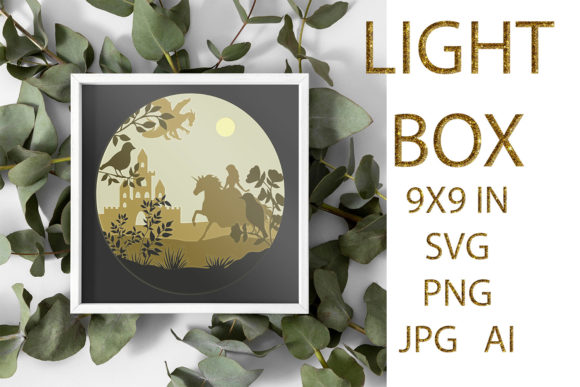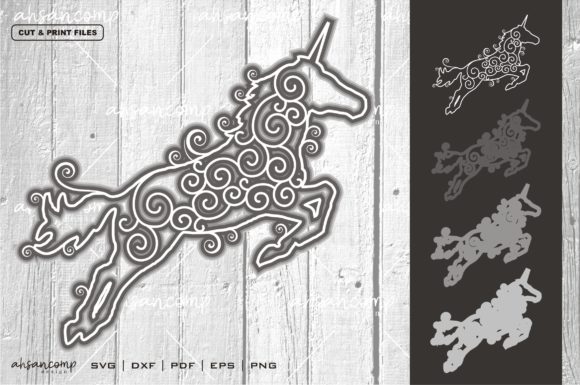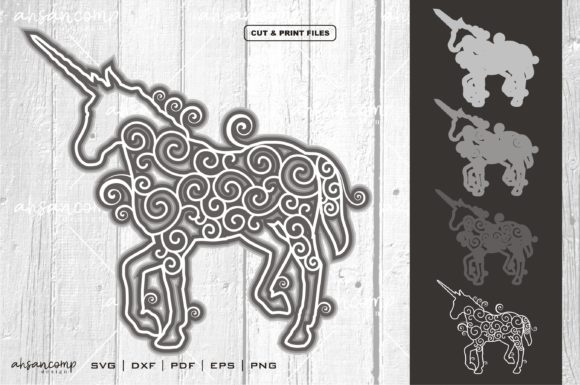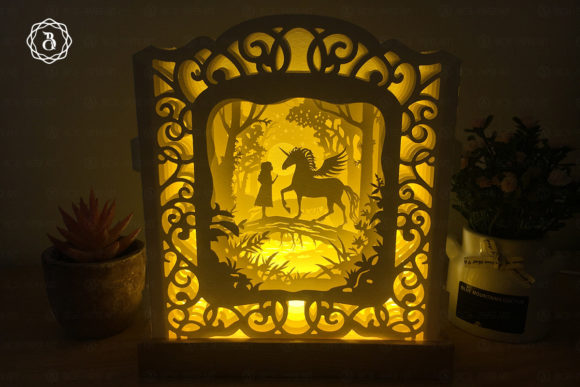
Unicorn Pop-up Card: 3D SVG Magic for Shadow Box Visuals
As a blog designer and digital publisher who’s constantly evaluating visual assets for real editorial and content workflows, I was immediately drawn to the Unicorn Pop-up Card. At first glance, it’s more than just a whimsical design — it’s a versatile 3D SVG that bridges the gap between tactile paper craft and digital presentation. This pop-up card brings a sense of depth and motion to static visuals, making it a compelling choice for bloggers, newsletter creators, and digital marketers looking to elevate their visual storytelling.
First Impressions: Playful, Artistic, and Visually Engaging
The moment I opened the file, I was struck by the dimensional quality of the unicorn pop-up. It’s clearly designed with both charm and technical precision — the layers unfold digitally like a real card, mimicking the physical experience of opening a greeting card. The design leans toward a feminine, lifestyle-focused aesthetic, making it especially well-suited for niches like parenting, kids' crafts, birthday themes, or magical lifestyle content. It feels like a design asset that can double as both editorial decoration and a featured visual centerpiece.
Editorial Use Cases: From Pinterest to Printables
One of the standout features of the Unicorn Pop-up Card is how easily it integrates into a variety of publishing formats. Here’s how I see it fitting into a real content workflow:
- Blog Featured Images – Use it as a decorative header for a post about kids' birthday ideas or creative paper crafts.
- Pinterest Graphics – The 3D effect works beautifully in thumbnails, drawing attention with its unique visual depth.
- Digital Guides and eBooks – Incorporate the unicorn pop-up as a decorative divider or chapter opener in downloadable resources.
- Newsletter Banners – Add a whimsical header to your email marketing that stands out in crowded inboxes.
- Social Media Posts – Especially effective on Instagram Stories or Facebook event invites for themed content.
- Lead Magnets and Content Upgrades – Use the design as a visual hook in worksheets or printables for younger audiences.
How It Supports Content Performance
From a content marketing perspective, the Unicorn Pop-up Card does more than just look pretty — it works to enhance engagement and trust. Here’s how it contributes to better-performing content:
- Stronger First Impression – The 3D effect immediately catches the eye, helping your blog or email stand out.
- Clearer Visual Hierarchy – Its layered structure can guide the viewer’s eye, especially when paired with headlines or callouts.
- Better Click-Through Potential – Unique visuals like this tend to perform better on Pinterest and social media, increasing traffic.
- Consistent Branding – When used across multiple assets (like newsletter headers and blog graphics), it helps reinforce a cohesive brand identity.
- Improved Reader Trust – Professionally designed assets like this signal quality and attention to detail, which builds credibility.
Where This Design Asset Shines
While the Unicorn Pop-up Card is versatile, it truly excels in the following visual contexts:
- Hero Images – Especially for landing pages or seasonal content with a magical or fantasy theme.
- Article Thumbnails – It adds a visual hook that makes your post more clickable in content feeds.
- Email Headers – The SVG format ensures it scales well across devices, maintaining clarity on all screens.
- Downloadable Printables – Perfect for crafting guides, children’s activity sheets, or themed planners.
- Canva Templates – Easy to drop into design tools for quick visual upgrades in blog graphics or social media posts.
When to Use It with Care
Despite its charm, this asset isn’t a one-size-fits-all solution. Here are some scenarios where it may not be the best fit:
- Small Mobile Thumbnails – The intricate details may not render clearly at tiny sizes.
- Text-Heavy Blog Images – The design might compete with headline copy if not spaced properly.
- Low-Contrast Backgrounds – The pastel tones may get lost if not paired with a clean, contrasting backdrop.
- Busy Layouts – In already complex editorial designs, it could add visual noise rather than clarity.
- Serious Professional Niches – Think finance, law, or corporate B2B — this asset feels more lifestyle than corporate.
Publisher’s Checklist: Practical Notes Before Use
Before dropping the Unicorn Pop-up Card into your next blog post or digital product, here’s what I recommend testing:
- Preview on desktop and mobile – Ensure the SVG scales cleanly without pixelation.
- Test as a thumbnail – See how it looks in your blog feed or Pinterest preview.
- Try it with headline text – Make sure the design doesn’t clash with your typography.
- Check contrast and readability – Especially if you’re using it in a light or pastel theme.
- Review font pairings – Works best with playful fonts like script or handwritten styles, but test with sans serif and serif too.
- Compress file size – Even though SVGs are lightweight, always optimize for fast page loads.
- Verify licensing – Confirm it’s cleared for commercial use if you’re applying it to affiliate pages or paid content.
Final Thoughts: A Magical Touch for Lifestyle and Creative Brands
For bloggers, educators, and small business owners in niches like parenting, children’s crafts, fantasy themes, or magical lifestyle content, the Unicorn Pop-up Card is a strong contender in the growing world of 3D SVGs. Whether you're building a digital guide, designing a Pinterest pin, or sprucing up your newsletter header, this design asset adds a touch of charm that can elevate your brand’s visual identity. Just remember to use it thoughtfully, test it across platforms, and ensure it aligns with your overall editorial tone. Done right, it can be the little magical detail that makes your content stand out — and that’s always worth the effort.