Easter Bunny: A Practical Embroidery Design for Spring Projects
First Impressions: A Cheerful, Versatile Shape with a Playful Touch
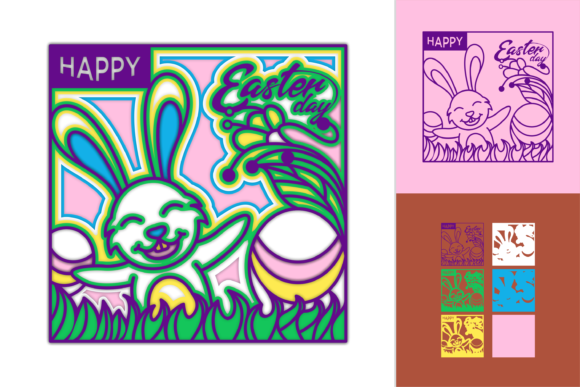
The Easter Bunny design immediately gives off a soft, approachable vibe. Its 3D SVG format brings a subtle dimensionality that suggests depth without overwhelming the eye. As a designer, I appreciate how the shape balances simplicity with enough detail to feel intentional. It’s not overly cartoonish, nor is it too realistic—it lands in that sweet spot that works for both kids' items and boutique-style adult accessories.
This design feels like a natural fit for spring-themed embroidery projects. Whether you're making baby onesies, tote bags for a local shop, or personalized kitchen towels, Easter Bunny brings a cheerful, seasonal energy that’s easy to integrate into a variety of product lines.
Real-World Use: How Easter Bunny Performs in Embroidery
I recently tested the Easter Bunny on a custom embroidered tote bag and a set of baby caps. The results were solid. The 3D effect translated well into satin and fill stitches, giving the bunny a plush, almost embroidered applique look without the need for extra layering or fabric cutting.
On the tote bag, the design held up beautifully with a medium stitch density—enough to give a clean, polished look without puckering the cotton canvas. The bunny’s rounded shape helped it flow naturally with the tote’s fabric drape, avoiding the distortion that angular designs sometimes suffer from.
For the baby caps, I used a smaller hoop setting. The design scaled down well, maintaining its visual clarity. The ears and face details stayed sharp, and the overall charm of the bunny remained intact. Parents loved the look—sweet, not too flashy, and perfect for Easter photos.
- Great for tote bags, sweatshirts, and baby clothes
- Handles hoop resizing well
- Retains charm and clarity even in smaller sizes
Where to Use It Carefully: Fabric and Fit Considerations
While Easter Bunny is forgiving in many situations, there are a few use cases where caution is warranted. On stretchy fabrics like knits or thin materials like voile, the design’s curves may distort slightly unless proper stabilizer is used. I recommend testing on a sample swatch before committing to a final product.
Dark fabrics can also present a challenge. The bunny’s light-colored details may not pop as much as expected unless you adjust thread colors or add a white underlay. This is especially important for Etsy sellers who rely on mockups to showcase their embroidered items online.
Also, keep in mind that curved surfaces like baseball caps can compress the design slightly, especially around the bunny’s face. It’s a minor issue, but worth noting if you're planning to use this in a commercial embroidery setting for boutique headwear or custom caps.
Design Impact: From Visual Appeal to Customer Trust
In the world of handmade and custom goods, presentation is everything. Easter Bunny delivers a professional finish that elevates the perceived value of the final product. Whether it’s stitched onto a sweatshirt or a patch for a spring gift basket, the design adds a level of polish that makes your work feel more refined.
From a customer perspective, this bunny reads as high-quality and thoughtful. It’s not just another Easter clipart—it has character. That makes it more gift-worthy and more likely to be shared on social media, which in turn helps small businesses gain visibility.
For digital product sellers and Etsy shop owners, Easter Bunny works well in digital mockups. Its SVG format makes it easy to overlay on product images, helping buyers visualize the embroidered outcome before purchase. This kind of preview builds trust and reduces return rates.
Designer Notes: What to Check Before You Stitch
Before using Easter Bunny in any project, here are a few practical checks I recommend:
- Test on scrap fabric: Always run a test stitch-out, especially if you’re working with a new fabric type or color.
- Review thread color contrast: The bunny’s facial details may require thread adjustments on dark or textured materials.
- Confirm hoop size compatibility: Make sure the file fits your machine’s hoop dimensions, especially for small-scale items like baby caps or patches.
- Inspect stitch density: Too tight or too loose can affect the final look. Adjust as needed for best results.
- Use proper stabilizer: Especially on stretchy or thin fabrics, a good stabilizer makes a noticeable difference.
- Check licensing: Since this is a digital embroidery file, verify whether it can be used for commercial purposes or resale.
Also, consider doing a black and white mockup test. This helps you evaluate the design’s contrast and clarity before diving into color choices. And if you're using it in a holiday or personalized gift line, test it across a few different background tones—light and dark—to see how it adapts.
Final Thoughts: A Spring Staple for Your Design Kit
Easter Bunny is more than just a seasonal graphic—it’s a functional, adaptable design that works across a range of real-world embroidery applications. From custom apparel to digital mockups, it delivers both visual appeal and practicality. It's a great addition to your design assets, especially if you're looking to expand your holiday or boutique offerings.
As a designer who evaluates a lot of embroidery files, I appreciate when a design like this holds up under scrutiny. Easter Bunny does exactly that. It’s not flashy, but it’s dependable, charming, and versatile enough to earn a spot in multiple product lines—from personalized gifts to Etsy listings and small shop merchandise.